

How To Register A Magazine Name In Usa
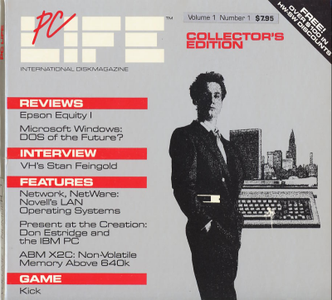
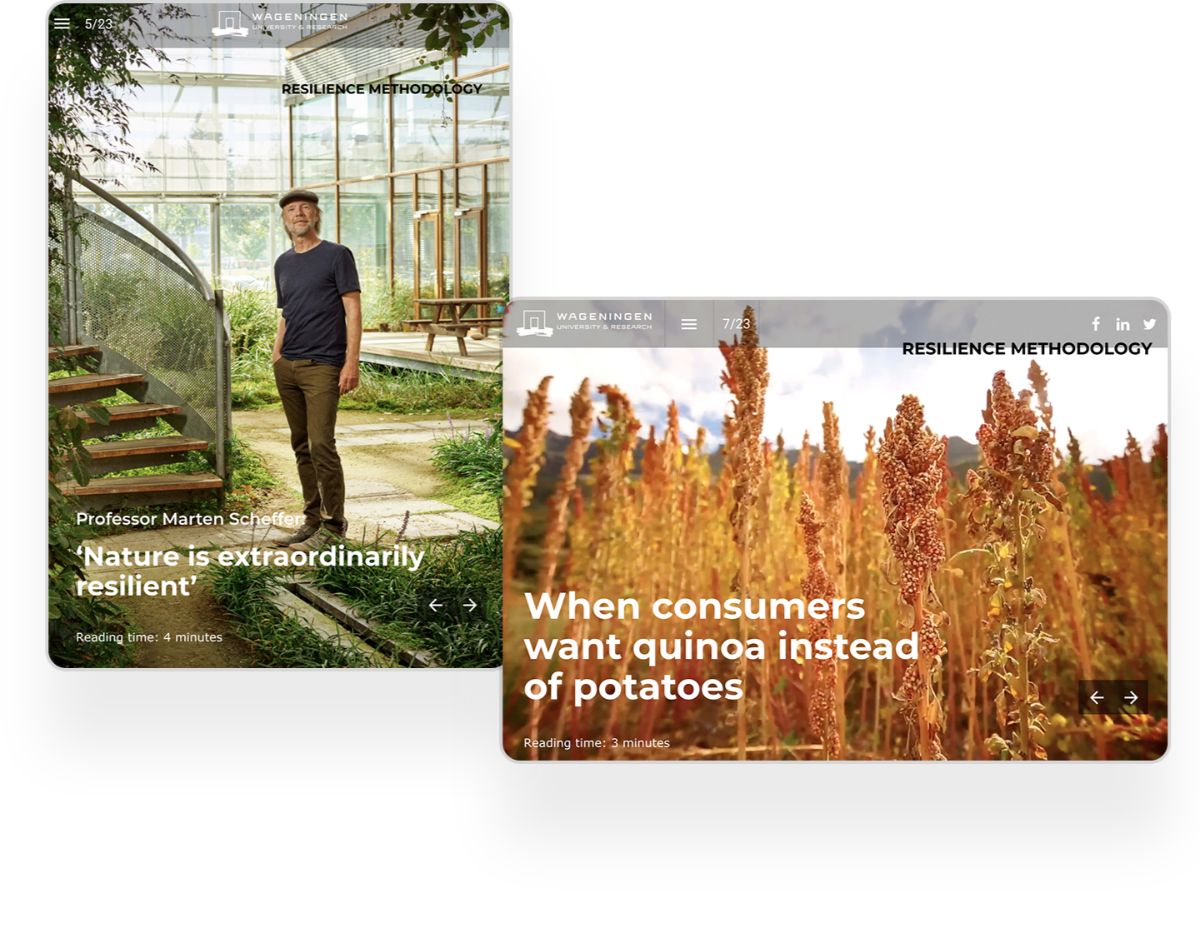
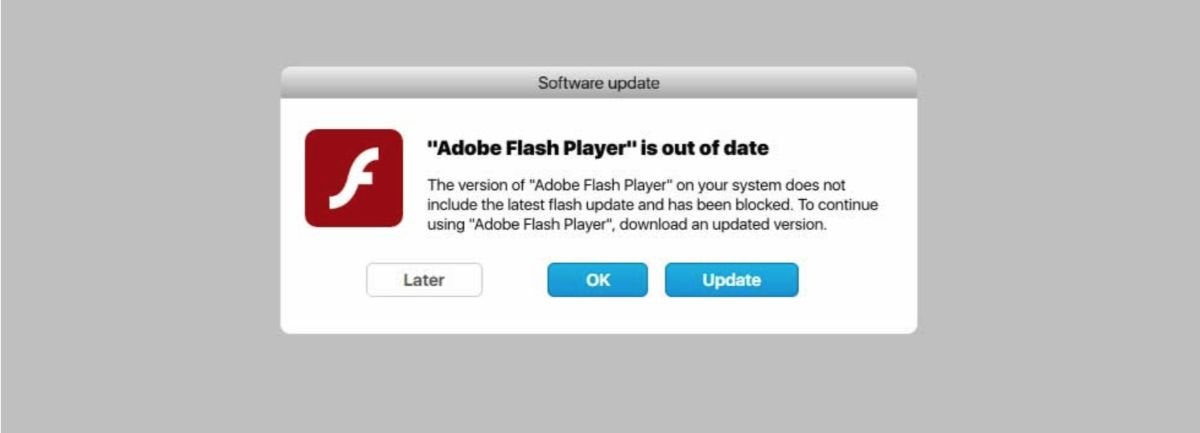
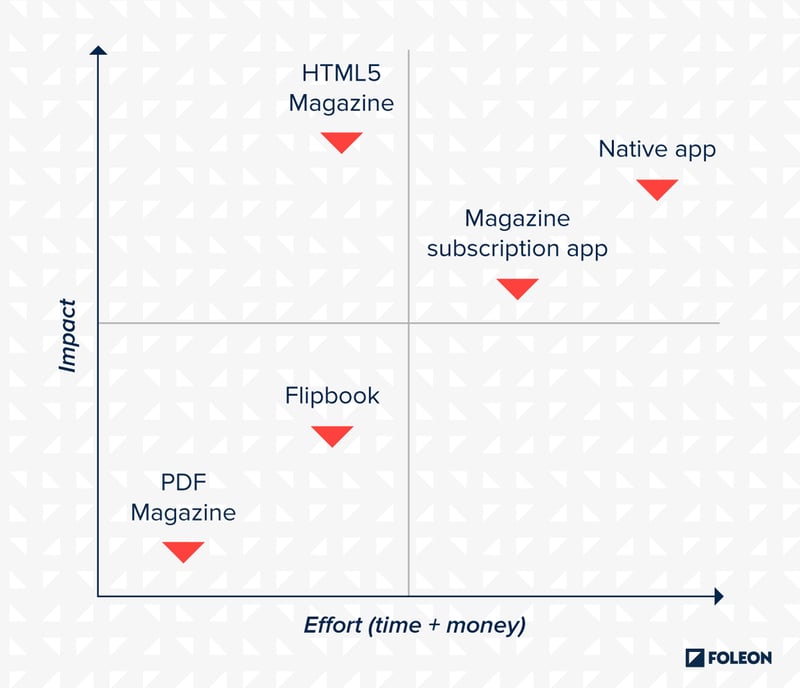
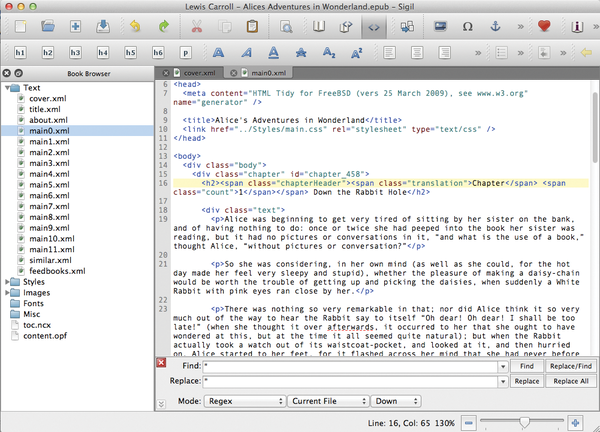
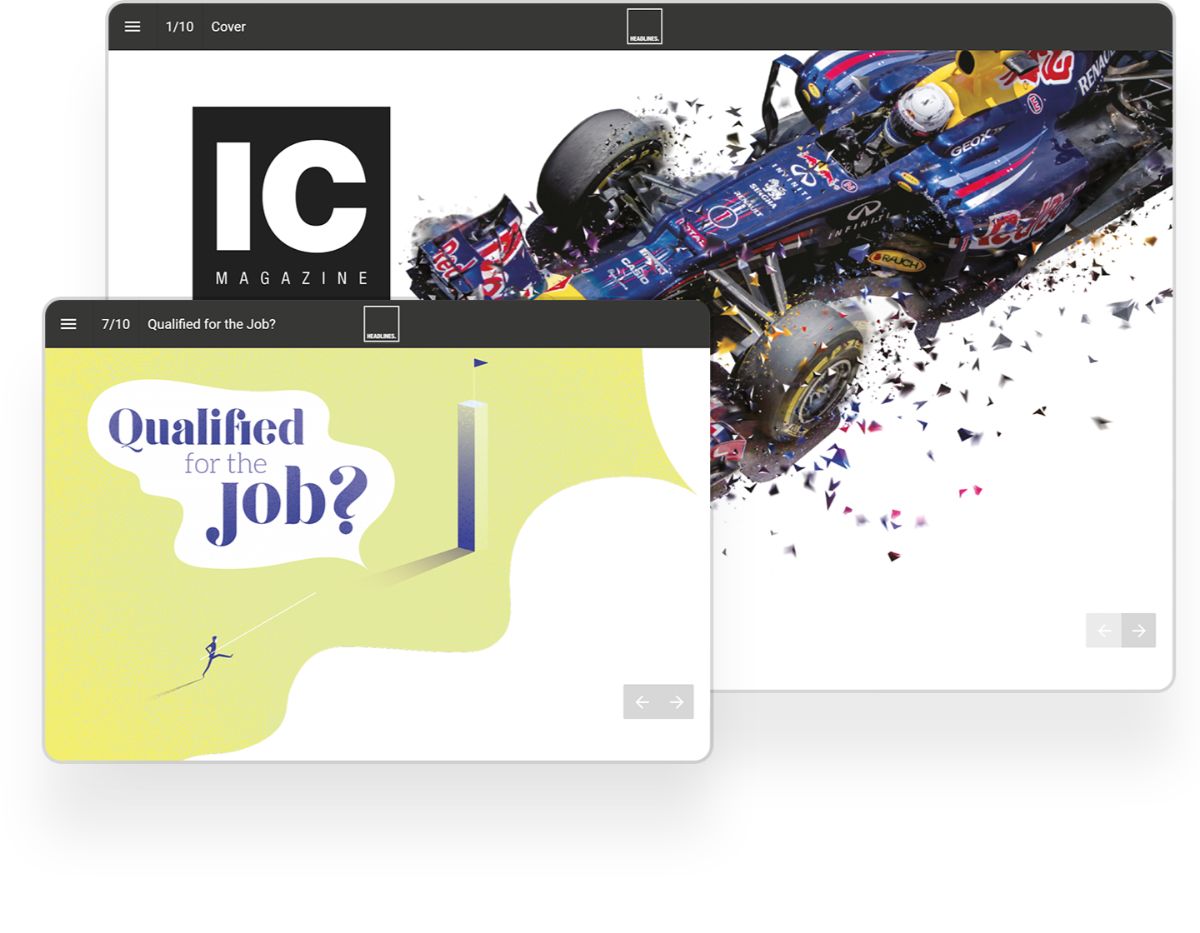
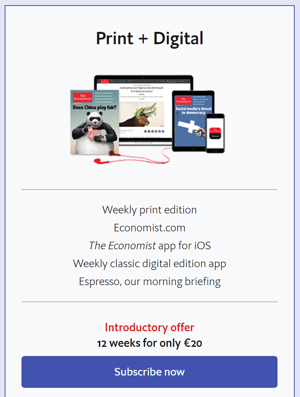
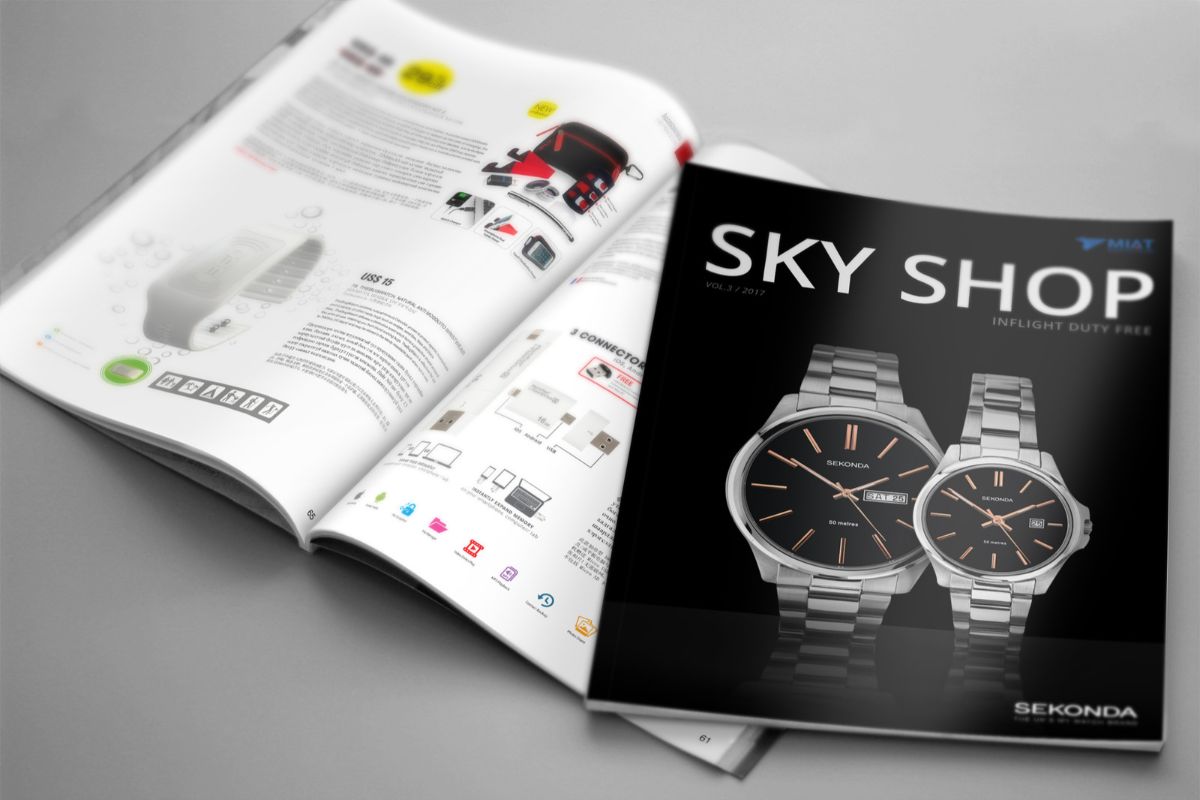
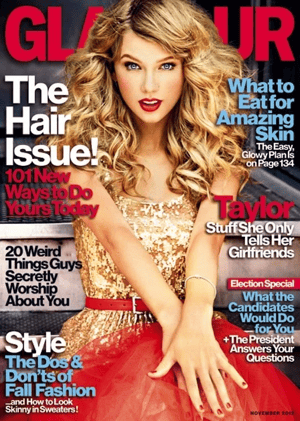
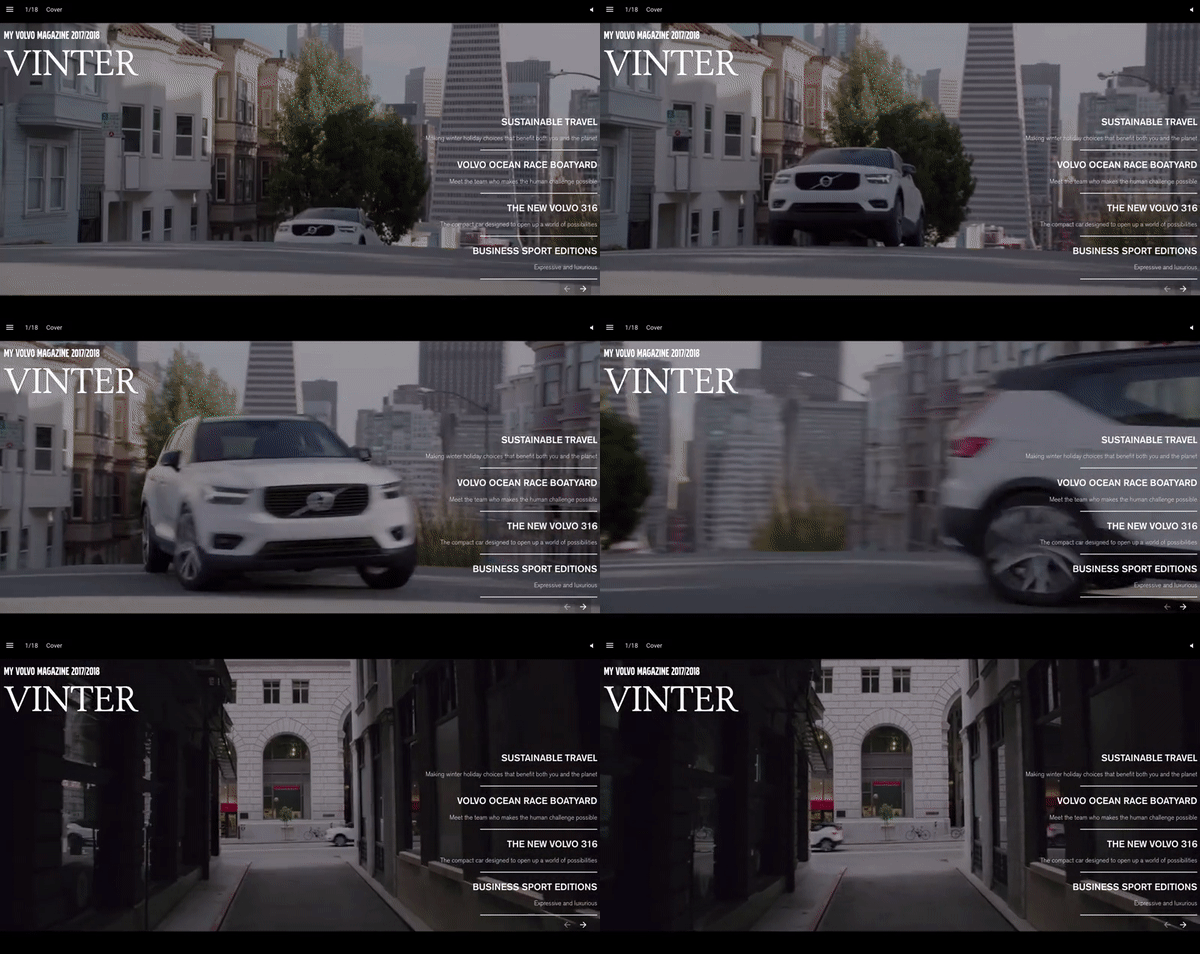
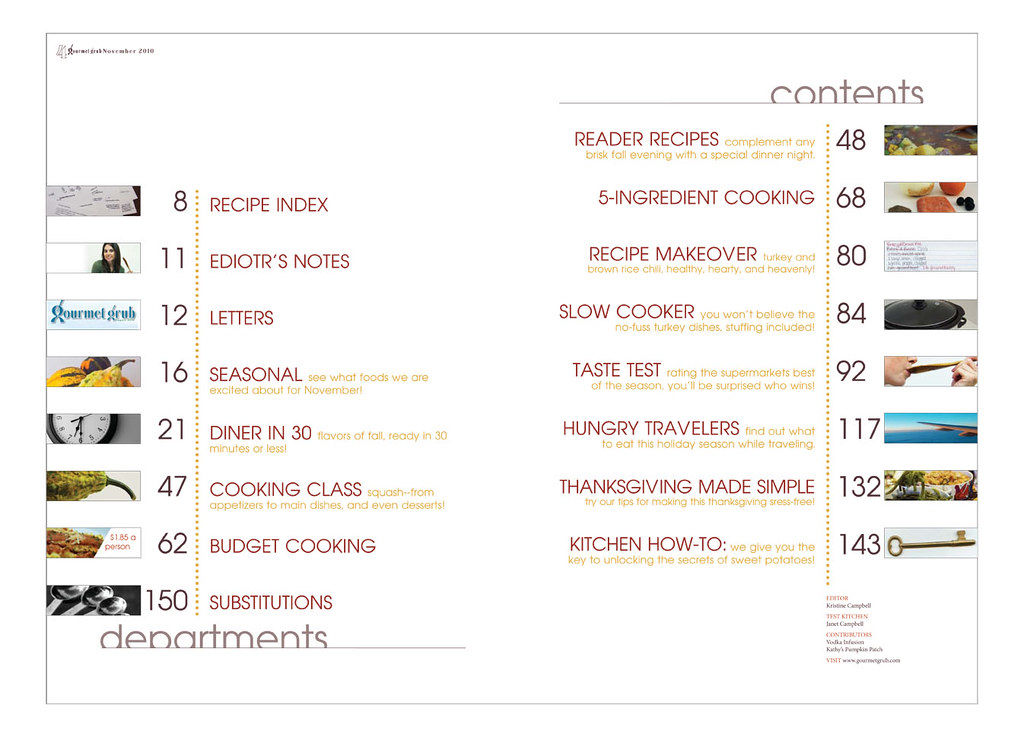
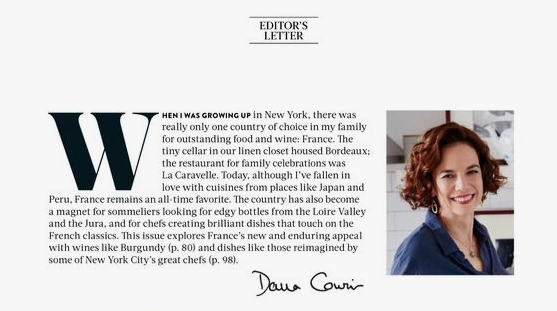
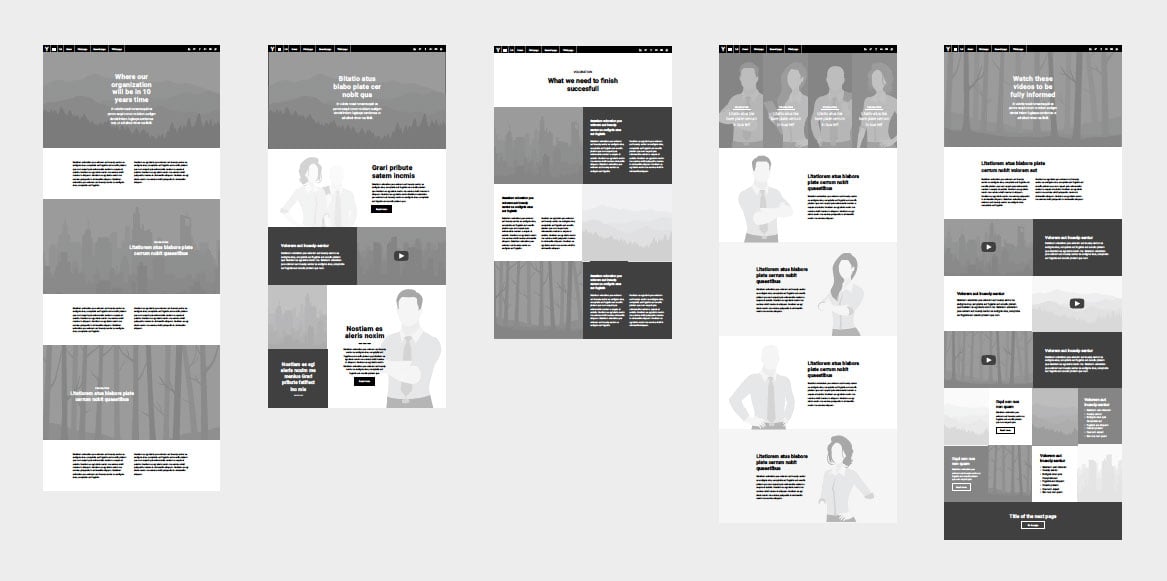
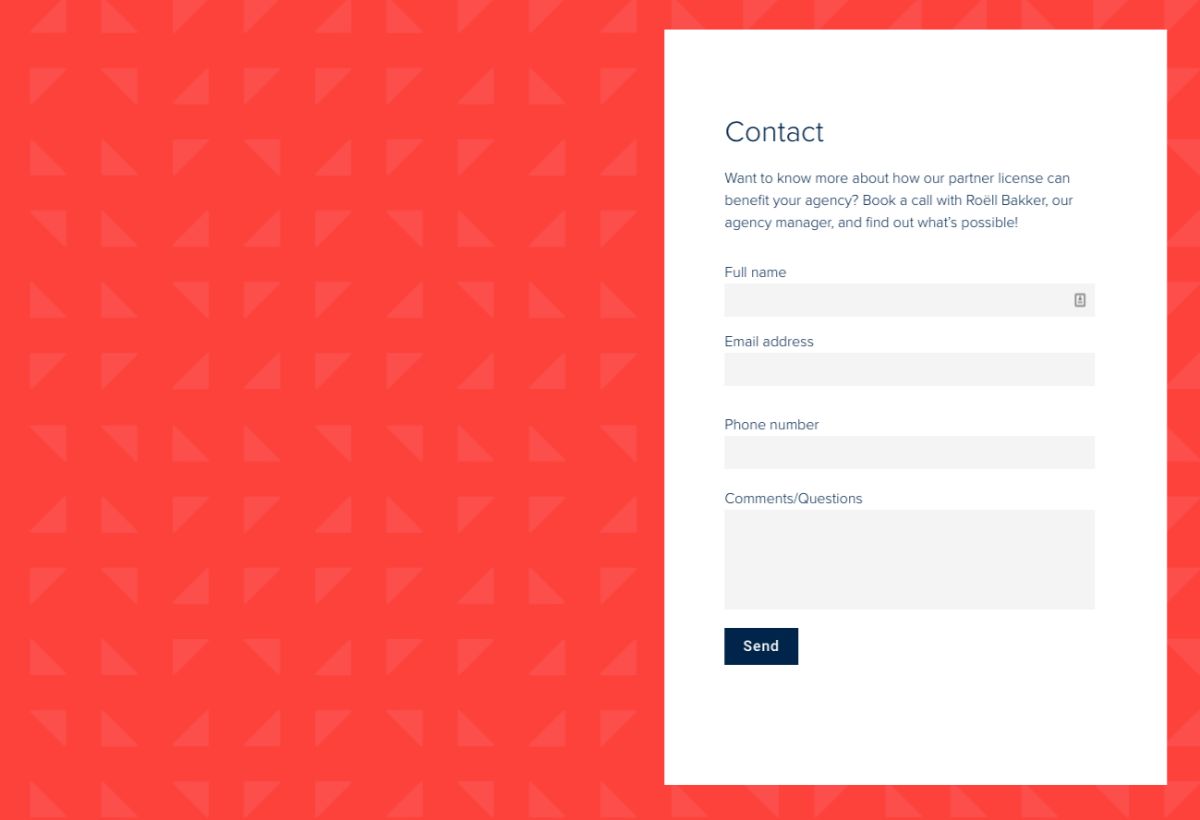
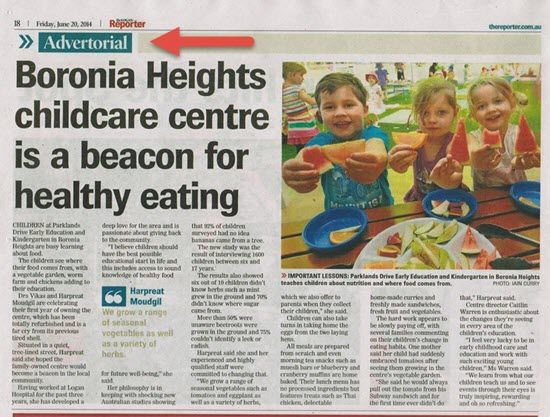
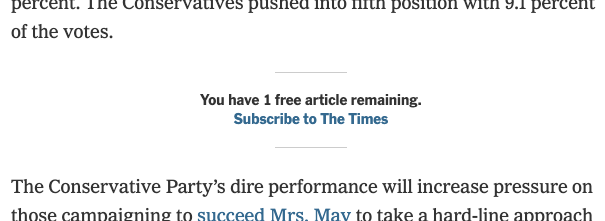
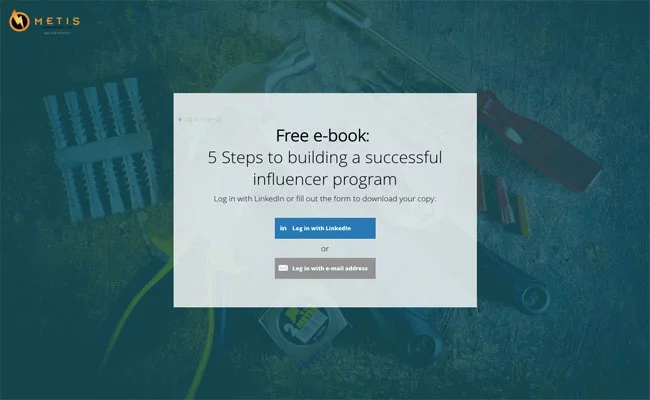
So you're thinking of creating a digital magazine. Y'all probably take lots of questions nigh where to commencement, what software to apply, how to distribute information technology, and more. This guide will impact on all of those points and highlight other factors you may not have thought of. After reading this, you lot'll exist prepared to have the next step towards becoming a digital publisher. Starting time of all, there are plenty of terms flying around (digital magazine, online magazine, ezine, webzine, digital edition, digital publication, magazine apps, etc.). It tin can be tricky at first to get past all the lingo, then let's outset by immigration information technology up. Simply put, a digital mag has many of the same characteristics as a print mag, but uses digital publishing technology and so it can exist consumed on an electronic device like a computer, tablet, or mobile phone. At that place are plenty of advantages to using a digital magazine. Massive savings on printing costs and eco-friendliness are the nearly obvious. Depending on the technology used, digital magazines tin accept aesthetic and functional benefits as well. For case, they may incorporate animations, hyperlinks, video, and other dynamic content. You might be surprised to learn that the first digital magazines were actually produced in the 1980s! Diskzines (or diskmags) were magazines distributed on floppy disks via post and read on a calculator. PCLife was one of the first to create magazines in this format. The mag was an executable programme that included music, animation, and various forms of multimedia. Past the mid 1990s floppy discs were mostly replaced by CD-ROMs that could hold far more data. And past the 2000s, most digital magazines moved online. Online magazines (or ezines, e-zines, eMagazines, webzines) are digital magazines that are hosted, distributed, and read online. While they share some characteristics with online newspapers and blogs, the editorial approach remains more than like a traditional mag. Online mag example from Wageningen University Due to their low price compared to print, online magazines can be seen as a confusing technology. Many magazine publishers accept either created online editions of their magazines (referred to as a digital edition), or switched exclusively to digital formats. The relative ease of producing digital online magazines has also opened up the digital publishing space, allowing virtually anyone to create, publish, and distribute their online magazines and achieve a broad readership. For the rest of this article, we'll be using the terms "online magazine" and "digital mag" interchangeably equally well-nigh all digital magazines are now online. Today, online magazines can be found in many different formats. They can be standalone publications on the web like this one from Nestle, they can be native apps for iOS or Android similar this 1 from the Economist, or they can be part of a magazine subscription service like Zinio or Kindle Newsstand. Below, we'll talk virtually dissimilar types of digital magazines and charge per unit them based on the effort each takes to create and the bear on they're likely to make. Flash was a technology originally created by Macromedia and after bought by Adobe. It was a popular format for many online magazines in the early on 2000s as it could facilitate rich multimedia and simulate the turning of pages, just like in a printed magazine. However, Flash every bit a technology has declined significantly, and many major devices (similar the iPad) no longer support it. If yous programme to create an online magazine, you'll probably want to avoid Flash due to the minimal support. Attempt: High Impact: Low Other online magazines utilize PDF. This is an piece of cake and cheap solution, especially if you already have a printed magazine. With PDF, you tin create an exact replica of your printed edition, and virtually all blueprint software tin easily export to PDF. Notwithstanding, there are some large drawbacks to using PDF. Notably, PDFs are fixed-layout documents intended for printing, meaning that magazines which look okay on desktop, volition be: In the mobile-kickoff age, most people don't want the hassle of looking at something that doesn't fit their screens. Reading a PDF magazine on a mobile phone Furthermore, PDFs crave you to download them before viewing. This is already a barrier for desktop users, but for mobile users, downloading files — then finding them in your phone'southward local storage — remains an about alien chore. Finally, generating revenue, leads, or subscribers with PDFs is difficult because you cannot control their distribution or measure their touch. One time downloaded, readers can freely distribute them to their friends and y'all tin can't collect information on how readers collaborate with them. Related: How to track your white papers properly. Attempt: Depression Impact: Low As online magazines evolved, a new take on PDFs emerged chosen flippable (or browsable) PDFs. These PDF documents are typically embedded on websites and can simulate the flipping of pages, just like a printed edition. Essentially, they act as a digital replica. Hither is an example of a flipbook magazine . The same advantages apply to flipbooks as to unproblematic PDF magazines — it's extremely easy to have an existing printed magazine and digitize it. And as an additional benefit, the publication doesn't need to be downloaded earlier existence read. However, the same disadvantages employ also. Try opening the higher up example on a mobile phone. Because of the fixed layout, flipbooks are extremely difficult to read on mobile without zooming in and out. Effort: Medium Bear on: Low Some publishers determine to create their own native app for their mag. A native app simply refers to an app y'all can buy in the Apple app store, or the Google Play store for your iOS or Android device. These cannot be used on a traditional desktop or laptop figurer. Some native app magazines Native apps probably offering the best reading experience on mobile devices as developers accept virtually complete control over the look and feel of the magazine. They can take advantage of digital text reflow — meaning that the text size and layout responds to the size of the screen, offer an optimal reading feel on whatsoever device. In improver, native apps tin contain all kinds of extra functionality. They can pull in dynamic, personalized ads. They tin can download editions for offline reading. They tin can include rich multimedia. They can rails and measure reader behavior then that the publisher knows what types of content is popular among various segments. And the list goes on. However, native apps have their downside besides. Nearly obviously, they are very time consuming and usually very expensive to develop. In addition, you are dependent on Apple or Google to approve your app (which can take time), and they will take a cut of any revenue yous earn. Also, apps need to be downloaded, which is an extra stride for your readers — especially in an age where people are becoming more discerning with what they install on their phone. If you can't afford to hire your own developers, at that place are numerous services that offer to create uncomplicated digital mag apps for you. Nonetheless, most of these just convert PDF files and you cease up with many of the aforementioned display issues equally with flipbooks. Effort: High Impact: High Google Play Newsstand and Apple Newsstand have both been discontinued and replaced with Google News and Apple News, respectively — simple news aggregators similar Flipboard that pull in web log posts and articles from various sources. Notwithstanding, there are still some major players in the magazine subscription service space including Amazon'southward Kindle Newsstand, Zinio, Texture, Magzter, Readly, and more. Some pop magazine subscription apps Each of these are native apps that crave users to create an business relationship, add payment details, and then allow them to subscribe to thousands of magazines published specifically for the platform with in-app purchases. Many publishers decide to produce online digital magazines for one or more of these platforms rather than developing their own app from scratch because these services already have a big user base. Creating magazines for these platforms is more than restrictive than developing your ain app considering you must adhere to the platform'southward (often confusing) guidelines. And while the process is somewhat simpler than developing an app from scratch, you will still need developers and designers to help y'all. If y'all opt for this route, go on in heed that you lot'll be competing with thousands of other publishers featured on these platforms to get your magazine found. As well, almost of these platforms charge a significant membership fee to become a publisher, along with a percentage of your sales. Effort: High Touch on: Medium Last, but not least, are HTML5-based magazines. These are digital magazines that use the aforementioned technology websites depend on — HTML, CSS, and JavaScript. They're designed to work in whatever mod web browser and are thus advisable for both desktops and mobile devices. Unlike fixed-layout PDFs or flipbooks, HTML5 magazines use responsive design principles to adapt layout and typography according to the screen size of the reader. When read on a calculator, they feel much like using a modern website — except with a linear catamenia. When used on a mobile device, they experience much like interacting with a native app. HTML5 magazines work great on whatsoever device The big reward over native apps is that — considering they employ unproblematic web applied science — they require simply a fraction of the resources to develop, and you don't need to create more than one version for Android and iOS. Additionally, HTML5 magazines can be hosted anywhere y'all choose, so you lot're not dependent on Google, Apple, or other services for distribution. Another benefits include the power to rails and measure out reader behavior, the power to update magazines even after they've been distributed, and the ability to control what gets indexed by search engines so that the content of your magazine shows upward the way you want in search results. There are quite a few platforms for developing HTML5 magazines, and they all vary in cost and options. Foleon offers a powerful drag and drop editor for creating and publishing your own multimedia-rich, interactive, HTML5-based magazines and comes with a free trial. Effort: Low Impact: High At present that y'all're familiar with different types of digital magazines, you lot must make up one's mind which one is right for you. This largely depends on your goal, your upkeep, the time you accept available, and whether you already accept a printed edition available. If upkeep is your biggest concern, creating a PDF is past far the cheapest solution. All you need is skillful content and a graphic designer who'southward skillful with InDesign. If y'all already have a printed edition and want to go for something slightly fancier without spending much, a flipbook (or digital replica) might be best for you lot. At that place are even free tools that will do much of the piece of work for you. Merely keep in mind the drawbacks we discussed in the previous chapter: PDFs and flipbooks don't do well on mobile devices so you take a chance alienating a big segment of your potential audience. Too, it'due south difficult to control distribution as your audition can freely share your magazine. If you lot already have a printed edition and you want to replicate its mode and format as much as possible — and if you want to earn money through subscriptions — y'all might consider a mag subscription app similar Kindle Newsstand or Zinio. If you choose this road, you will need to go through a vetting process before your magazine gets listed, pay a membership fee, and probable hire a programmer to create XML exports of your mag. Even then, there is no guarantee that you'll build an audience because y'all'll be competing with the thousands of other magazines featured on their platforms. You tin can besides await to pay a percentage of the subscriptions you sell. Example XML code for a digital subscription app magazine You tin notice out more than about getting a mag listed on Zinio here. If budget is not a concern, and you're willing to invest in serious development, you lot might consider creating a native app. This gives you lots of flexibility over the user experience and provides more one way to generate revenue — through app sales, in-app purchases, or through advertising. Just go along in mind, you lot will only reach mobile readers, non desktop users. You'll need to create a separate version for each mobile platform y'all want to be on (iOS apps and Android apps are written in different programming languages). You'll also be discipline to Google and/or Apple quality command, terms and conditions, and you lot'll accept to share a cutting of your profits. And again, the app shop is crowded, so unless yous already accept a strong brand, there is no guarantee readers will ever find you. You can acquire more most submitting a magazine app to the Apple tree app store here. If maximum impact is your goal, and yous can't afford a team of developers, an HTML5 magazine is probably the way to become. They allow yous to reach both computer and mobile users with an equally immersive reading experience, and you won't be subject area to anyone else'southward terms and conditions. An HTML5 magazine lives on its own domain (e.g., yourmagazine.com) and users tin read it with any modern browser, then you lot don't have to worry well-nigh compatibility issues. And just like with native apps, you take tremendous blueprint freedom. You can embed rich media like background videos, and create fluid animations every bit users turn pages. An HTML5 magazine from Headlines UK Considering they use the same technology as websites, you can put anything in an HTML5 magazine that you could on a regular website, including forms, overlays, frames and embeds — even third party tracking scripts and remarketing pixels. Lookout out, though, many platforms that claim to produce HTML5 magazines, actually only create flippable PDFs that suffer from the same poor mobile experiences we discussed earlier. These can exist spotted quite hands as they typically offering to "convert" your PDFs. For a loftier quality HTML5 mag platform, check out Foleon'southward no-lawmaking, drag & drop, true HTML5 magazine builder. At the kickoff of whatsoever big projection, it's important to start with the goal in listen. Creating an online magazine is no different. Magazines can have many dissimilar objectives, and identifying yours will bear upon the platform y'all choose, the layout and blueprint options yous determine upon, your editorial formula, and more than. When most people think of a magazine, they remember of good old-fashioned subscription-based magazines. Here, the goal is simply to generate revenue through subscriptions and/or advert. Of course, for this to exist a feasible goal, you need to have loftier quality content that people are willing to pay for and a good marketing strategy. More and more publishers offer "freemium" models — that is, they offer some of their content for gratuitous, but then require a subscription for total access. National Geographic, for example, offers plenty of free articles on their website and in their native app, but if you lot want the full feel, or access to past editions, you must subscribe. Many magazines, such as The Economist and FastCo, offer their digital edition for gratuitous if you are also subscribed to their print edition. Others, like Extra Crunch from TechCrunch offer only an online edition. If you take an existing printed mag with a big subscriber base, yous'll need to decide if your upcoming digital edition will be a standalone product that y'all sell separately, an online replica that print subscribers become for gratuitous, or even a supplement that offers exclusive content not included in the impress edition. If you're just starting out, on the other hand, you may want to consider a free or freemium model, at least until your mag gains enough traction to begin charging a fee. Most new magazines choose this route, relying on advertising revenue to plough a profit. Not all magazine producers are publishers per se. Companies in any number of industries may create magazines to keep their customers up-to-date, inspire them with interesting new content, and go along them engaged with the make. Some great examples are Cherry-red Bulletin by RedBull and Airbnb mag. Neither of these companies are publishers primarily, only both produce great magazines to keep customers engaged and enthusiastic about their brands and the lifestyles associated with their products and services. While the above mentioned examples charge subscription fees, other companies simply produce magazines for free. In this case, the goal is not to sell subscriptions or earn revenue directly — the benefits in reader date start the production costs. Organizations that have other primary revenue-generating activities create magazines to utilize as valuable communication assets. Whole Foods Magazine, for example, is a completely free nutritional magazine produced by the supermarket chain, Whole Foods, in both print and online versions. It contains news and editorial content, original research, and more. It is not a place where Whole Foods advertises its products. Rather, it contains all kinds of content to inspire people interested in nutrition and healthy eating. By engaging and inspiring their audience in this way, Whole Foods indirectly encourages more shopping. It's worth noting that, fifty-fifty though Whole Foods Magazine is gratis for readers, they practice likewise include advertisements to assistance finance it. Another case where appointment is the main goal are staff magazines. Many large companies produce magazines for internal distribution among their employees. Again, the objective here is reader engagement — to keep their workforce informed, happy, and more productive. A third goal you might have in mind is non to sell the mag itself, merely to apply information technology to sell your products and services. In this example, your magazine would resemble something of a production catalog or brochure. Probably the most obvious instance of this type of magazine would be the duty free shopping magazines you observe in airplanes. These are magazines full of nothing merely ads, and while they may be in a magazine format, their master purpose is to become readers to purchase something. Just some brands as well brand magazines to sell their own products and services — non only those of their advertisers. This rather stunning HTML5 magazine from Forbo Floor is a good example. The 2017/2018 edition of My Volvo Mag is another exceptional case of an online magazine that is designed to movement product. Rather than creating simple ads, Volvo devoted an unabridged magazine, full of long-form content and stunning imagery to market a selection of their products. When we talk about structuring a magazine, nosotros're speaking primarily of the sections you should include and the order y'all put them in — your editorial formula. Of class the decision you lot make here depend largely on what type of magazine y'all intend to create, the goal of your magazine, and your target audience. The good news is that with a digital magazine, y'all take even more freedom and flexibility than with a printed edition. Let'south first comprehend the most common sections that near e'er announced in traditional magazines. Traditional impress magazines have 4 "embrace" pages: the front and back covers, and the insides of the covers which are usually reserved for the most expensive ads. However, because we're dealing with digital formats, the "within" covers are not actually distinct from any other page. The aforementioned goes for the dorsum cover — you can't exactly hold a digital mag and turn it over, then the dorsum embrace isn't necessarily relevant. So that leaves the front embrace. This is the function everyone will see and information technology plays a big part in whether potential readers cull to open up your magazine. You should give a lot of idea equally to how you pattern information technology and what it should feature. What should proceed your front cover? A skillful rule of thumb is that, if you want to stand out among your competition, your cover needs to exist striking . Your choice of colors, visuals, and typography should be well chosen and compelling. Besides this, at that place are a few pretty standard things to include on a magazine comprehend: I of the advantages of a digital mag (depending on the technology yous're using) is that yous can utilize a fullscreen groundwork video for the cover instead of a static image. This is a corking way to stand out and attract attention. It's even possible to include a button to encourage people to "continue reading" or "open the magazine." Online magazine with a groundwork video for a cover "Forepart of the book" is magazine terminology for several pages usually in the start of the magazine, including the tabular array of contents, impressum, the editor's alphabetic character, and comments or letters from readers. Of class, depending on your goal and target audition, yous tin can choose which of these are relevant for your magazine. Let's speedily go through each of these with a short explanation. This is almost always the first page of a mag, although in digital publishing, some magazines even combine this with their cover page. It should, at the very to the lowest degree, listing all of the featured articles in the magazine, if non everything. A big advantage of digital magazines is that you tin can plough the items in your table of contents into hyperlinks so that readers tin can hands jump to the section that interests them. Usually in the commencement of the mag, but sometimes placed at the dorsum, the masthead is a folio or section that lists all of the people involved in the product of the mag, including the editorial staff, the marketers and content producers, designers, and other fundamental people. Depending on the blazon of magazine you're creating, this section may or may not be necessary. If yous're creating a magazine that volition serve every bit a product catalog, for case, you might get out information technology out entirely. Recollect that today's readers accept curt attention spans, and you want to become them to the important stuff right away. With this in mind, you might consider putting it at the back. Over again, this will vary depending on the style of your magazine. Unremarkably, the letter from the editor is a welcoming message that briefly covers the contents of the magazine, gives some important information, or touches on recent news. In a staff magazine, this is often replaced by a letter from the CEO or head of man resources. In either example, it serves to give your mag more of a man bear on and brand information technology experience less like comes from a faceless make. This section is entirely optional and, plainly, depends on whether you lot receive such messages. Magazines with a very large reader base of operations may have the luxury of hundreds of letters from which to choose the well-nigh interesting. Smaller publications probably don't receive enough reader feedback to create a dedication section, only this also depends on the frequency of your magazine. If you have the material, all the same, including letters from readers is a groovy way to show other readers that they're not the merely one reading. It helps to create a customs feeling around your magazine — and this tin can be valuable. This is the primary part of your magazine where your featured articles go. Size-wise, this should be the most substantial section. Information technology's always practiced to add together diverseness here. Utilize a combination of longer and shorter articles. Mix that up with interviews, reviews, and opinion pieces — or whatever is relevant to your subject area matter. Staff magazines, for example, might feature an interview with an employee of the calendar month and then a short piece about next month'southward targets. Add variety in the types of featured manufactures you include It's important to keep your features visually distinct so that readers know when they've moved from 1 article to the side by side. Your layout and color choices should make this distinction clear while also serving to brand for a pleasant reading experience. In a digital magazine you can include more than than just text and images. Videos are a groovy mode to add together more engaging content. Interactive, animated charts and graphs are popular. Overlays and popups that readers can open to see more than content are fun to play with as well. HTML5 magazines even allow yous to add together forms and collect feedback from your readers correct on the page. The back of the book is where everything else goes. But that isn't to say information technology shouldn't be interesting. In many magazines, you'll notice classified ads, horoscopes, and smaller columns. But this greatly depends on the type of magazine. By and large speaking, advertising in this part of the magazine is cheaper than in the front of the book or in the characteristic well as information technology tends to get less attention. Some magazines choose to put the impressarium in the dorsum of the volume rather than the front. For a digital magazine, at that place'due south even more than reason to practise this equally you want new readers to get to your best content as apace every bit possible. The last pages of can be a keen place to add contact forms, or even calls-to-activeness (CTAs) if you're using your mag for sales or marketing purposes. If you're running a traditional subscription-based magazine, don't forget to provide a manner for potential advertisers to get in touch. Well-nigh people intend to earn a reasonable ROI with their magazines, whether information technology's directly through selling subscriptions, or indirectly, for example past providing customers with relevant, inspiring textile that encourages them to stay engaged with their brand. Before we go further, it'southward important to mention that much of the publishing industry in full general has endured difficult times recently as social media and free content has grown in popularity and people spend less time reading traditional magazines. The good news, however, is that with a digital magazine you accept a huge advantage. This section will hash out diverse acquirement models you can implement for your digital mag. The model(southward) you cull will largely depend on your goal, the fashion of your mag, and the technology you choose. The most obvious fashion that magazines earn coin is through sales, either via an intermediary, or every bit a subscription service. Allow'due south look at how traditional print magazines exercise it, and and then compare that with online magazines. If yous go to the local newspaper store and purchase a magazine, but a portion of what yous pay ends up every bit turn a profit for the mag's publisher. Single copy sales are usually the least profitable ways for magazines to earn revenue. When yous consider the printing and distribution costs, the margin is not very large. On top of that, the magazine typically pays for space on the newsstand's shelves. Profit = acquirement - production costs - printing costs - distribution costs - shelf costs Subscriptions are far more assisting because publishers can eliminate i of the middlemen. The publisher ships magazines direct to readers and doesn't have to pay for shelf infinite. Besides, income tends to be more anticipated because subscribers typically pay in accelerate. Profit = acquirement - production costs - printing costs - distribution costs Still, for a printed magazine that sells subscriptions, the revenue will e'er be first past how much it costs to print and send. Press and distribution costs are typically the largest expense for any mag. The huge reward of online magazines is that they entirely eliminate printing and aircraft costs. Another thing to consider is that, with concrete magazines, a unit of measurement must be printed and shipped for every copy sold. Thus, your full costs increase as you sell more than. You besides run the chance of printing too many upfront. Profit = (auction toll x units sold) - (cost per unit of measurement ten units printed) A digital mag, on the other hand, but needs to be created in one case. Because information technology's virtual and non physical, it can so be sold an unlimited number of times without incurring boosted costs. Profit = (sale price x units sold) - i-time production toll With a digital magazine, your cost per unit is simply your 1-fourth dimension toll divided by the number of sales (i.east., information technology shrinks equally you sell more). While eliminating press and shipping costs makes creating and selling digital online magazines much cheaper and accessible for more people, there will be other costs involved. If you decide to sell subscriptions via Zinio or Kindle for instance, you will pay a membership fee and virtually likely a percentage of all your sales. This is comparable to the shelf fee a print publication pays to newstands. These mag services provide diverse options for yous to promote your magazine to existing users of the platform. Similarly, if you decide to create native apps for your magazines, both Apple and Google retain approximately 30% of the revenue you generate from selling your app or providing in-app purchases, in addition to the initial registration fee. Your ability to sell subscriptions will depend on how well your app does in the app shop. With an HTML5 mag, you have more than control over your marketing without having to rely on Apple's, Google's, or Zinio'south existing audiences. You will pay for using most HTML5 magazine software platforms to create content, but they don't typically accept a cut of your sales. Your magazines will be on whatever URL you choose. The other most common fashion for magazines to earn revenue is through advertizement. It'south extremely rare to discover a mag that doesn't contain ads. Most magazines use a combination of subscriptions and advertisement to generate multiple streams of revenue. Only like in a newspaper or printed mag, digital magazines can contain classified ads where just about anyone can pay for space. Classified ads are typically small, include simply a few lines of text, maybe an image, and some contact data. They unremarkably appear in the back of the book. What makes classified ads more interesting in digital format is that they can contain hyperlinks with UTMs that the advertiser can use to rails the source of the traffic they generate. This gives advertisers a far better understanding of the operation of their ads than they would obtain from a printed version. Your ability to generate acquirement from classified ads depends on the circulation and popularity of your magazine. The more people read your magazine, the more advertisers will be willing to pay for space. Display ads are the most mutual and easily recognizable ads in a mag. They are often distributed throughout an unabridged publication and clearly display some product or service. Display ads are far more expensive than classified ads (oft costing thousands of dollars) because of their location in the magazine and the corporeality of space allowing for a dandy deal of exclusivity. Over again, a brand's willingness to pay for advertisement space will depend on the attain of your mag. If y'all're just starting out information technology will be difficult to attract advertisers. But as your readership grows, this can plough into a major source of income. A benefit of digital magazines is that you lot can include dynamic display ads — the near common being Google Adwords. With these kinds of ads, you provide the infinite for the ad, but Google determines what content volition show upwardly in that space based on the reader'due south previous browsing behavior. I advantage here is that you don't need to negotiate with individual advertisers; Google pays you for the number of times your advertisement is clicked. Advertorials (sometimes referred to every bit native ads) are a form of advertisement that unremarkably takes the form of a story. Reader's may often confuse them with editorial content. All the same, most publications include a note that the article is "sponsored content" paid for past an advertiser, or only add a label that marks the commodity as an advertorial. Native ads are less disruptive to the reading experience than brandish ads. They are not intended to fool readers into thinking they are editorial pieces — readers tin can readily tell when they're reading sponsored content — just they brand ads more interesting and relevant every bit they fit the flow and design of the mag. Rather than focusing directly on selling a product or service, native ads tell an interesting story, or highlight some fun facts that are both relevant to the publication they're in and the company that sponsors the piece. How much should you charge for native ads? That tin be a tough question. HubSpot gives some ideas on pricing for sponsored content, but you should also consider factors like whether the pieces are beneficial for your readers and add together to your overall magazines experience, and whether you lot may desire to build a long-term partnership with the advertiser. Oh, and if you intend to attract advertisers, don't forget to include contact data in your magazine for them to go in touch! Today'due south content consumers are used to getting things for complimentary. Many magazines and newspapers now utilise "freemium" models where they offer a number of articles costless of charge, but pay for access to boosted content. The New York Times, for example, allows you to read 3 manufactures per calendar month before requiring y'all to subscribe. Other magazines don't limit the number of manufactures, simply place their "high quality" pieces behind a payment wall. Withal other magazines let you lot to read the start several pages before you come across a screen which requires yous to sign up. Offering content for free is a nifty way to get more exposure and generate more make awareness around your magazine, especially in the beginning. People like to "try earlier they buy," and offering a gustation of what they'll get increases their confidence when deciding to buy a subscription. Your ability to generate revenue with this model depends on the quality of your magazine's content. Is it engaging and interesting plenty for people to want to pay to go more? HTML5 magazines like those created with Foleon, allow you to gate your magazine at any point throughout the publication, requiring readers to log in or sign up before continuing. As we discussed in Chapter four, magazines tin take different goals. Non anybody who produces a magazine is a publisher. Many organizations create magazines for marketing purposes to engage their audience rather than to generate revenue directly. Yet, in social club for these types of magazines to be worthwhile, some kind of return should be expected, whether information technology's increased engagement with your brand (every bit Airbnb magazine does), more than ideas for shopping (as Wholefoods magazine does), or something else. One of the most popular ways to utilise digital mag every bit a marketing asset is to collect reader data and generate leads. Online marketers often create "content offers" such as eBooks, whitepapers, and guides that site visitors can download subsequently filling in their personal information. In most cases, the sales or marketing department will apply the gathered information to follow up with visitors, offer them some kind of promotion and nudging them towards condign a customer. Online HTML5 magazines are a great format for lead generating content offers that help to fill your sales funnel. In a world where most marketers notwithstanding put their eBooks and whitepapers in PDF format, a responsive, interactive digital magazines can be a big differentiator. Digital magazines can exist "gated" behind a regular class on a landing page, like our Introduction To Digital Content Cosmos. Some other option that's growing in popularity is to use social login instead of a class. If visitors use their LinkedIn credentials to admission a magazine, you're more probable to get more than accurate and more than consummate information. An HTML5 magazine gated with LinkedIn and used for collecting leads No matter which route you lot take, creating an online magazine from scratch is a big job. From creating and curating content, to working with advertisers and media partners, there is a lot to consider. Hopefully, this article provides y'all with enough information to beginning making important decisions similar what platform you'll use and how you'll finance your magazine. A final piece of advice we'll leave you lot with is that content is rex. In the end, the success of your magazine will depend mostly on how good your content is. If yous provide consistently superior content that engages and inspires, readers will keep coming back for more and you lot'll achieve your goals, whether it's mannerly readers, educating your employees, selling your products, or turning a profit.Introduction
1. Digital magazines versus online magazines
1.i What is a digital magazine?
1.2 What is an online magazine?
TL;DR
2. Types of digital magazines
ii.ane Wink magazines
two.2 PDF magazines
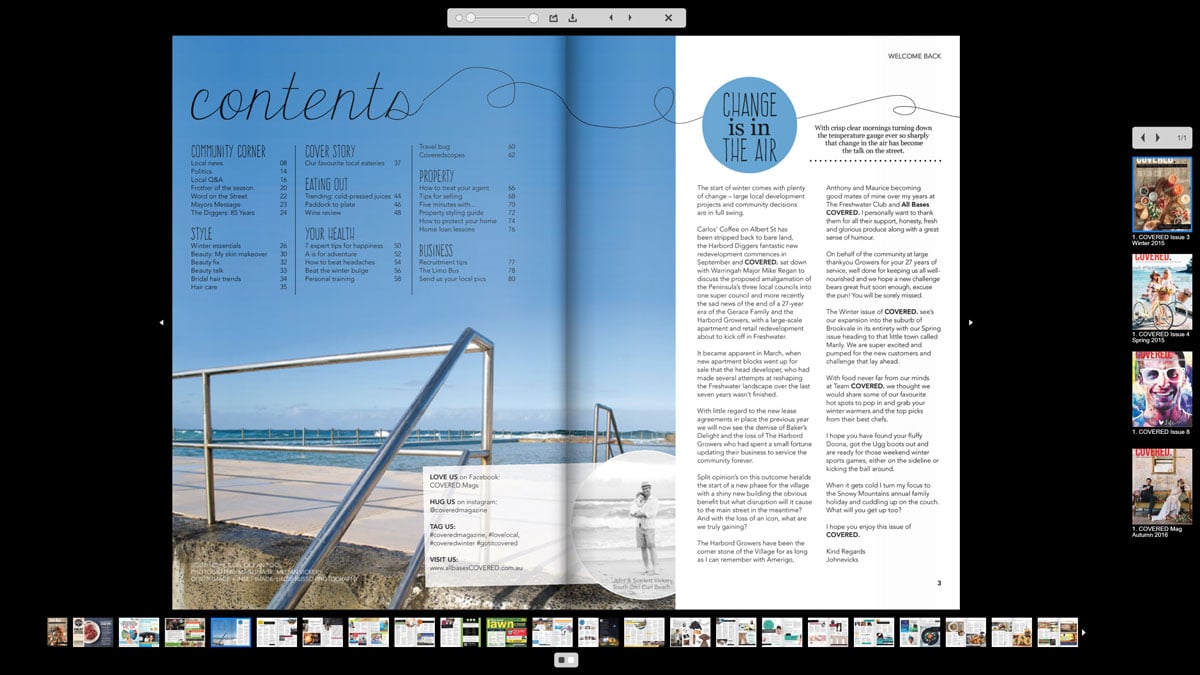
2.3 Flipbook magazines
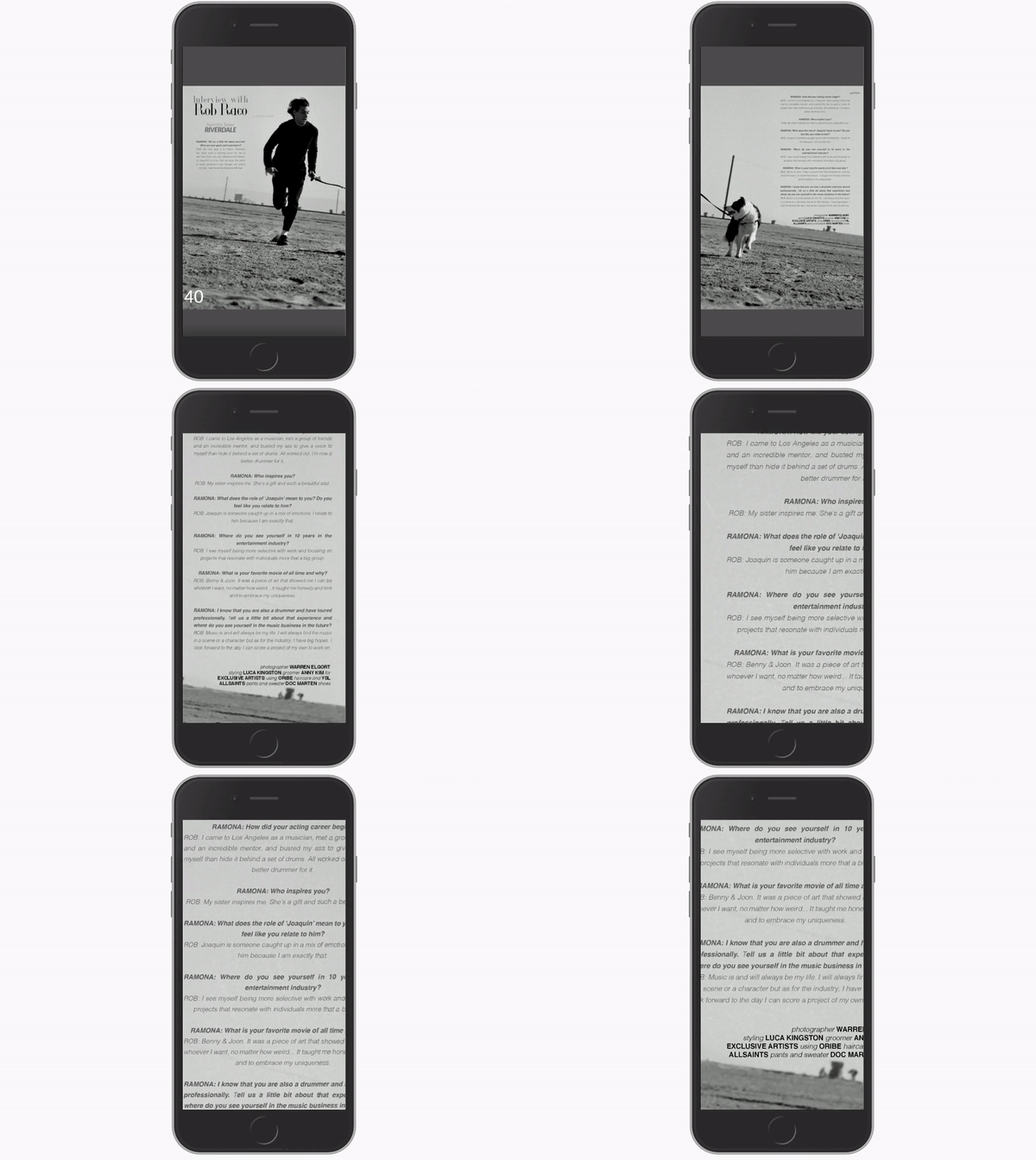
2.4 Native app magazines
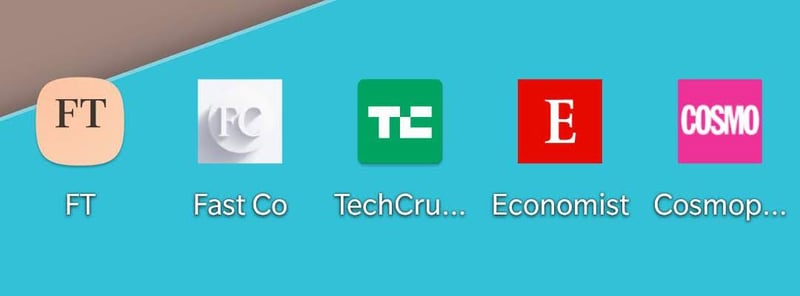
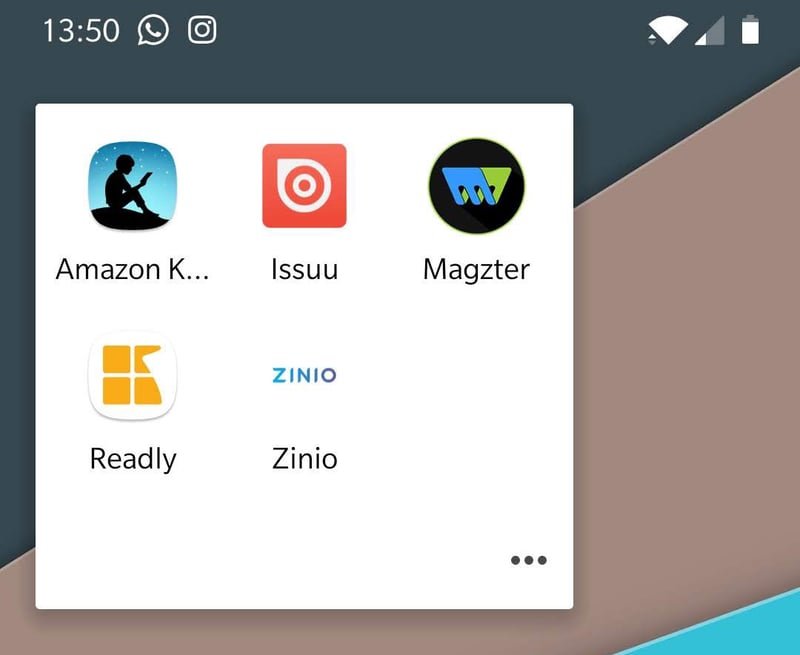
2.5 Mag subscription apps
2.6 HTML5 magazines

3. Choosing what type of mag is right for you
3.1 Low price options
3.two High touch on options

3.2.i When to choose a magazine subscription app
iii.2.ii When to develop a native app
3.ii.3 When to choose an HTML5 magazine
four. What's the goal of your digital magazine?

4.1 Selling subscriptions and ads
4.ii Engaging readers

4.3 Selling products or services
5. How to structure your online magazine

five.one Cover pages
v.2 Front of the volume
5.2.1 Tabular array of contents
5.2.2 The impressum or masthead
v.2.three Letter of the alphabet from the editor
5.2.4 Letters from readers
five.3 The feature well
5.four Back of the book
vi. Online magazine revenue models

6.i Subscriptions and single copy sales
6.ane.two Single copy sales
6.1.iii Subscription sales
vi.1.three Decreasing marginal costs
6.1.4 Selling digital magazine subscriptions
6.ii Selling ads
6.2.1 Classified ads
half dozen.2.ii Display ads

6.two.3 Advertorials and sponsored content
6.three Content paywalls
six.four Generating leads
seven. Conclusion

Source: https://www.foleon.com/topics/how-to-start-your-own-online-magazine-from-scratch
Posted by: fordambateractly.blogspot.com
0 Response to "How To Register A Magazine Name In Usa"
Post a Comment